
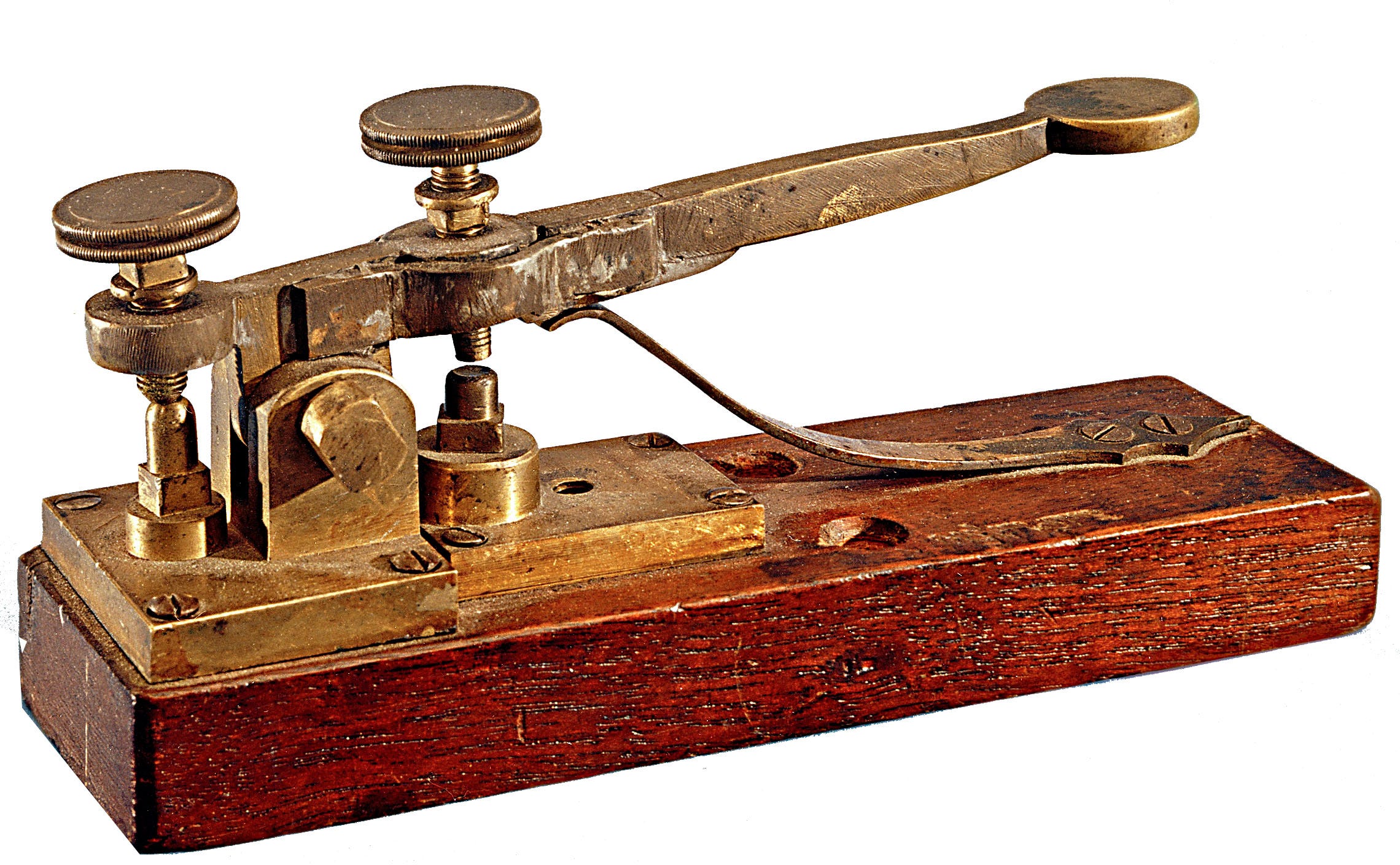
Did you know that the invention of the telegraph marked the dawn of a new era in communication? In the mid-19th century, Samuel Morse’s groundbreaking invention transformed how people connected, setting the stage for the digital world we inhabit today. Let’s dive into the key elements that shaped this revolutionary technology and its impact on society.
The Creative Process Behind the Telegraph
The telegraph was not born in isolation; it emerged from a rich tapestry of technological advancements. It relied on earlier inventions like the electric battery and electromagnet, showcasing the interconnectedness of innovation. Morse’s vision was fueled by a desire to overcome the limitations of snail mail, which often took days to relay messages. He envisioned a faster, more efficient way to communicate, and his passion led to the creation of a system that would change everything.
The Social and Political Landscape
The invention of the telegraph also reflected the social climate of its time. In an era marked by rapid industrialization, there was a pressing need for instantaneous communication—especially in business and government. Politically, the telegraph faced challenges, including skepticism from traditionalists who doubted its practicality. However, as its benefits became evident, it quickly gained acceptance and became a crucial tool for governance and commerce.
Advantages and Limitations of Digital Representation
From a historical perspective, the telegraph illustrated the power of digital representation. It allowed for the rapid transmission of information, fundamentally altering how news spread and decisions were made. Yet, this digital format also had limitations. The nuances of language and emotion often got lost in transmission, creating misunderstandings. The essence of human communication was distilled into a series of dots and dashes, highlighting the trade-offs inherent in digitization.
The Process of Digitization
Morse’s telegraph laid the groundwork for future digitization processes. Today, we digitize text, sound, and images using complex algorithms, but the principles remain similar. Each medium—whether a telegram or a digital photograph—requires careful consideration of what is gained and what is sacrificed in translation.
Critiquing the Digital Nature
As we reflect on the telegraph, we can critique its digital representation against its “natural” counterparts. While the immediacy of communication was a significant gain, the emotional richness of face-to-face interactions was notably absent. This dichotomy prompts us to consider the broader implications of digitization in our lives today.
Formulating a Position on Digital Evolution
Finally, as we navigate our increasingly digital landscape, it’s essential to weigh the benefits and liabilities of digital processes. While the telegraph revolutionized communication, it also paved the way for future complexities—like misinformation and the depersonalization of interactions. This duality invites an interdisciplinary perspective, merging insights from technology, sociology, and communication studies.
The telegraph represents more than just a technological advancement; it embodies the beginning of a digital revolution that continues to evolve. As we examine its legacy, we gain valuable insights into the ongoing journey of digitization and its profound impact on our world.